To millions of Australians, Janine is an unmistakable household name, the visionary founder of Boost Juice, an astute investor on Shark Tank, and a fierce competitor on Australian Survivor. Yet across our design table, none of that television presence existed. She was simply a client looking for a functional, deeply personal sanctuary for her family.
Looking back, that complete lack of preconceptions was the greatest asset we brought to the project. In fact, it remains our standard policy at Wolf Architects.

Why We Do Not Research Our Clients
In an era of hyper curated online lives, one of the easiest traps an architect can fall into when working with high profile clients is doing background research.
Public figures naturally maintain a distinct separation between their public life and who they are behind closed doors. The version seen under studio lighting or on social media is rarely the person who wakes up on a rainy Tuesday morning needing a quiet cup of coffee. Researching a client beforehand risks designing for a manufactured persona rather than an authentic human being. Starting with a deliberate blank slate allows us to see people as they truly are.
That conscious lack of baggage creates immediate trust. Clients quickly realise we are not starstruck, we are not angling for an endorsement, and we are not looking to exploit their status.
That deep respect applies to every project we take on, regardless of scale. Every person has a radically distinct definition of happiness:
Some clients design their floor plans entirely around their pets, valuing them far more than their partners.
Some thrive on high energy hosting and require vast entertaining spaces.
Others simply want to live like a hermit crab, completely shielded from the outside world.
It is never an architect’s place to judge those instincts or enforce a standardised lifestyle. Our task is to listen without ego and translate that specific rhythm of living into physical form.

The Candy Store Trap: Spending for the Sake of It
The most dangerous assumption in luxury residential architecture is that wealthy or famous clients have money to burn.
Too often, architects treat an affluent brief like an open invitation into a candy store. When a client says money is no object and they can spend twenty million dollars simply because they have it, the conventional industry instinct is to design right up to the financial ceiling to chase awards, magazine spreads and personal monuments.
At Wolf Architects, our measure of success is the exact opposite. If a client’s wishlist and spatial aspirations can be brilliantly achieved for eight million dollars instead of twenty million, that is precisely what we deliver.
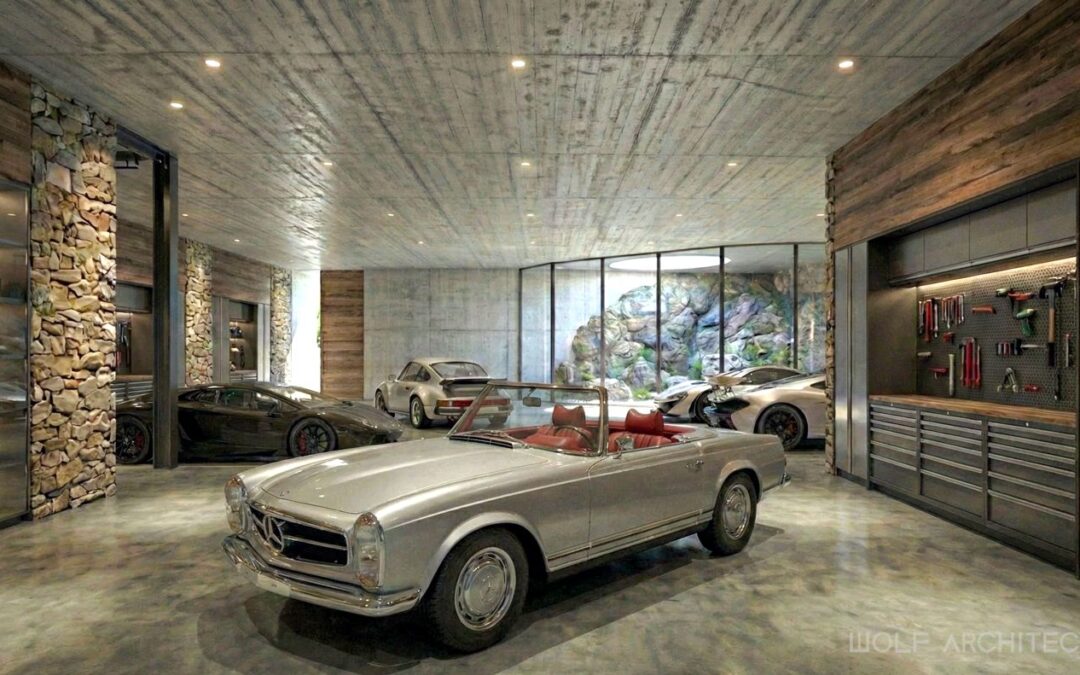
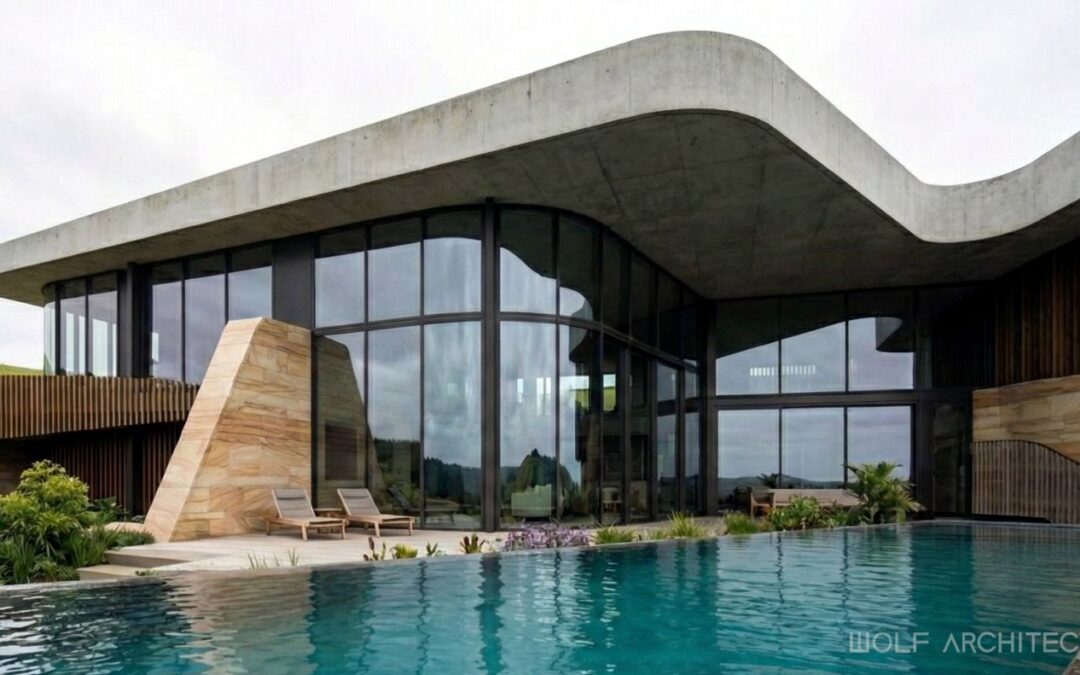
Janine’s Toorak residence was a masterclass in this discipline. Given the postcode and her profile, we easily could have designed a house that cost four times what we ultimately built it for. Instead, we held strictly to a conservative budget, respecting what she actually needed rather than what she could afford. For someone whose life is constantly under public scrutiny, the ultimate luxury was not theatrical excess. It was acoustic calm, uncompromised privacy and effortless family connection.

Intelligent Design Management: The Power of Restraint
This philosophy is codified into our studio’s core process, known as Intelligent Design Management, or IDM.
At the centre of IDM is an uncompromising rule against waste. We refuse to waste space, we refuse to waste time, and above all, we refuse to waste our clients’ capital.
Good architecture is defined by how a space feels emotionally, not how many expensive materials are packed onto a surface. If a room can evoke a profound sense of warmth, tactility and weight with a single, meticulously placed strip of stone against balanced plaster, we will design that single strip every time. That delivers the exact same emotional resonance at a fraction of the cost of cladding an entire room in marble slabs.
True design confidence lies in restraint, not surplus.
Watch the Conversation:
Whether we are designing a private retreat in one of Melbourne’s most affluent suburbs or working within strict everyday constraints, our role remains unchanged. We design with an open ear, remove our own ego from the canvas, and deliver an enduring sanctuary where people can shut the front door, kick off their shoes, and feel completely at peace.